Friends of Hakalau Forest National Wildlife Refuge
A nonprofit devoted to conserving the unique flora and fauna of Hawai’i Island
2026 Endowment Campaign Goal of $500,000
Celebrate the year of the ‘alawī with us!
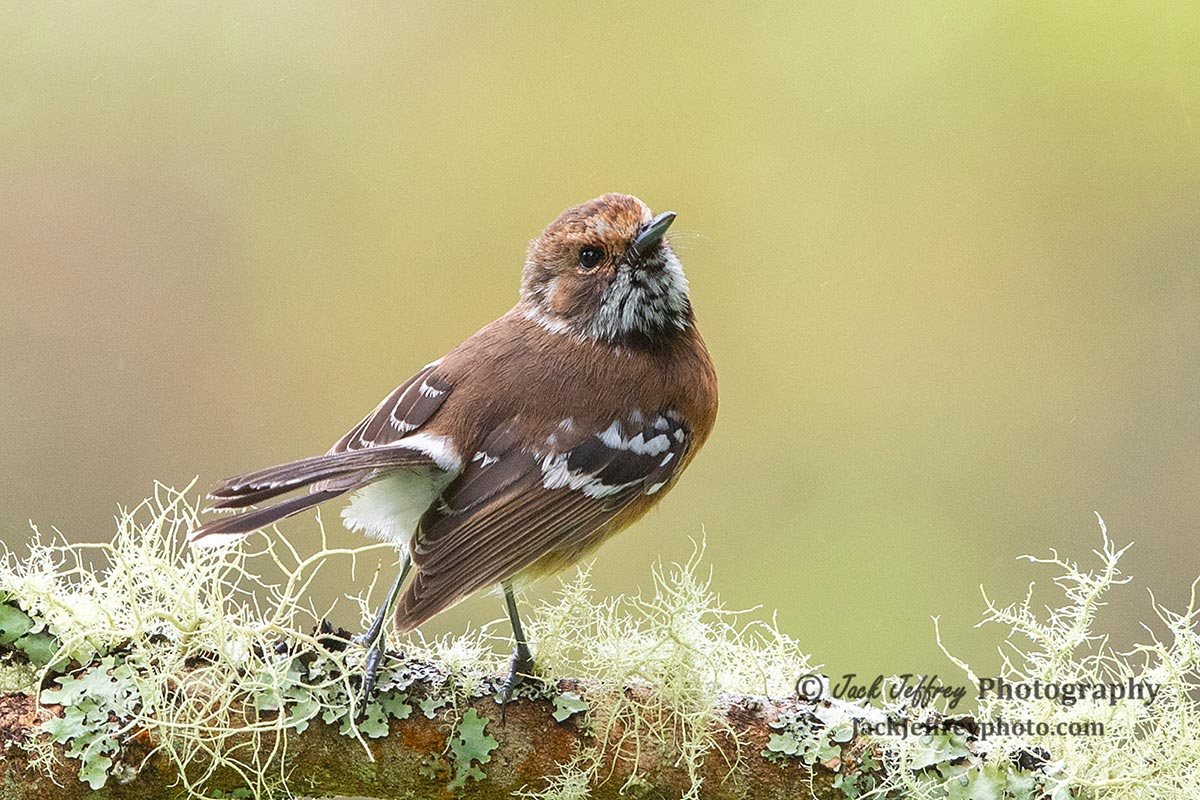
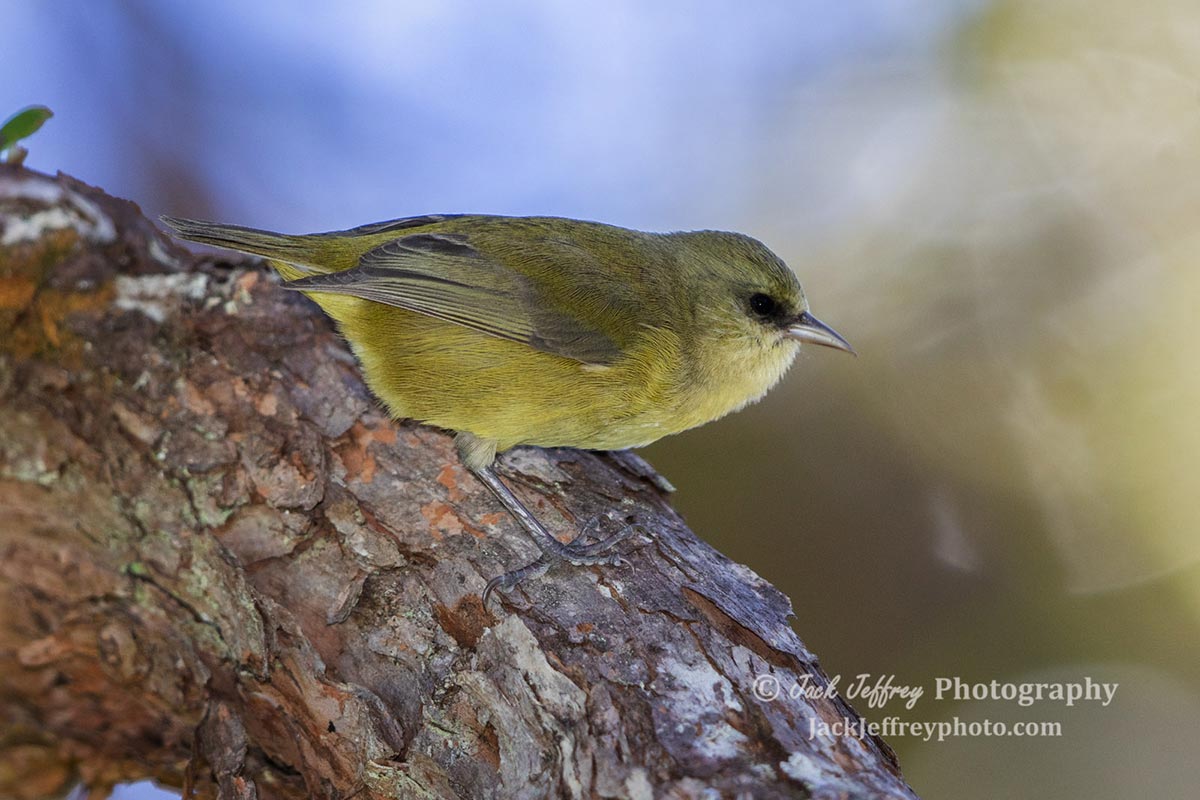
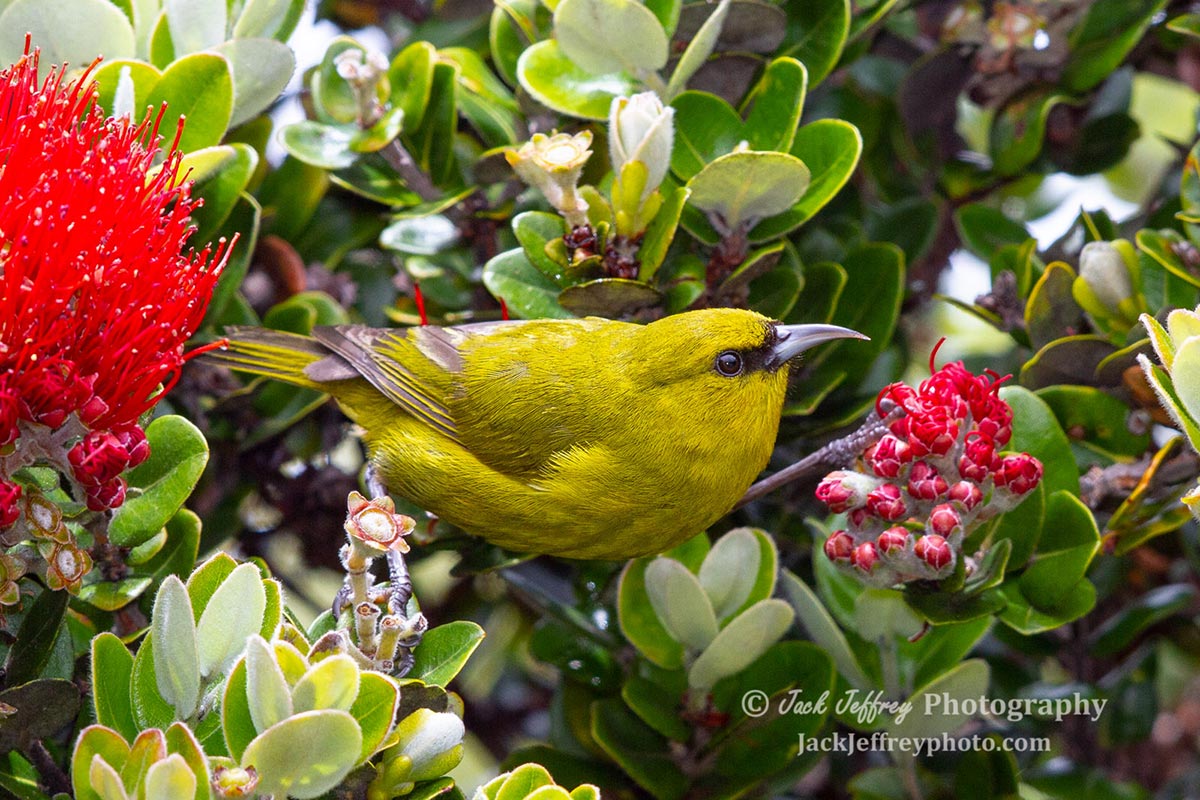
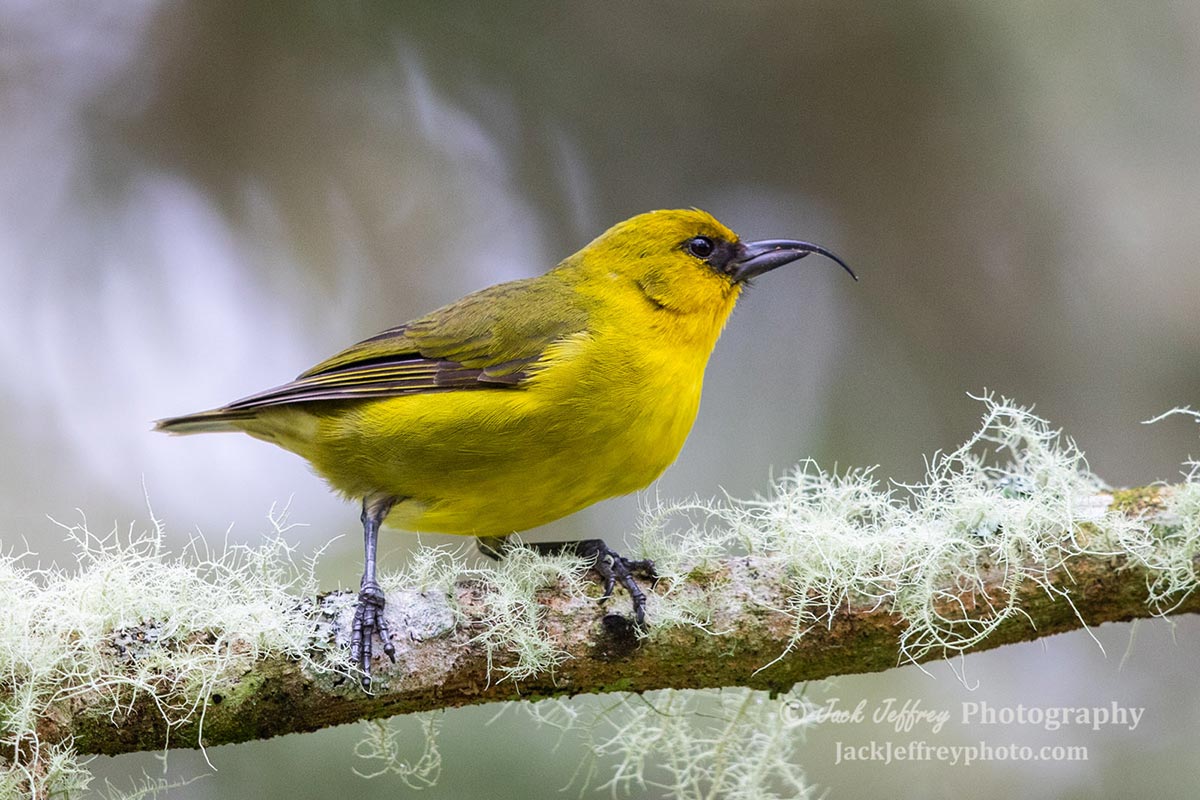
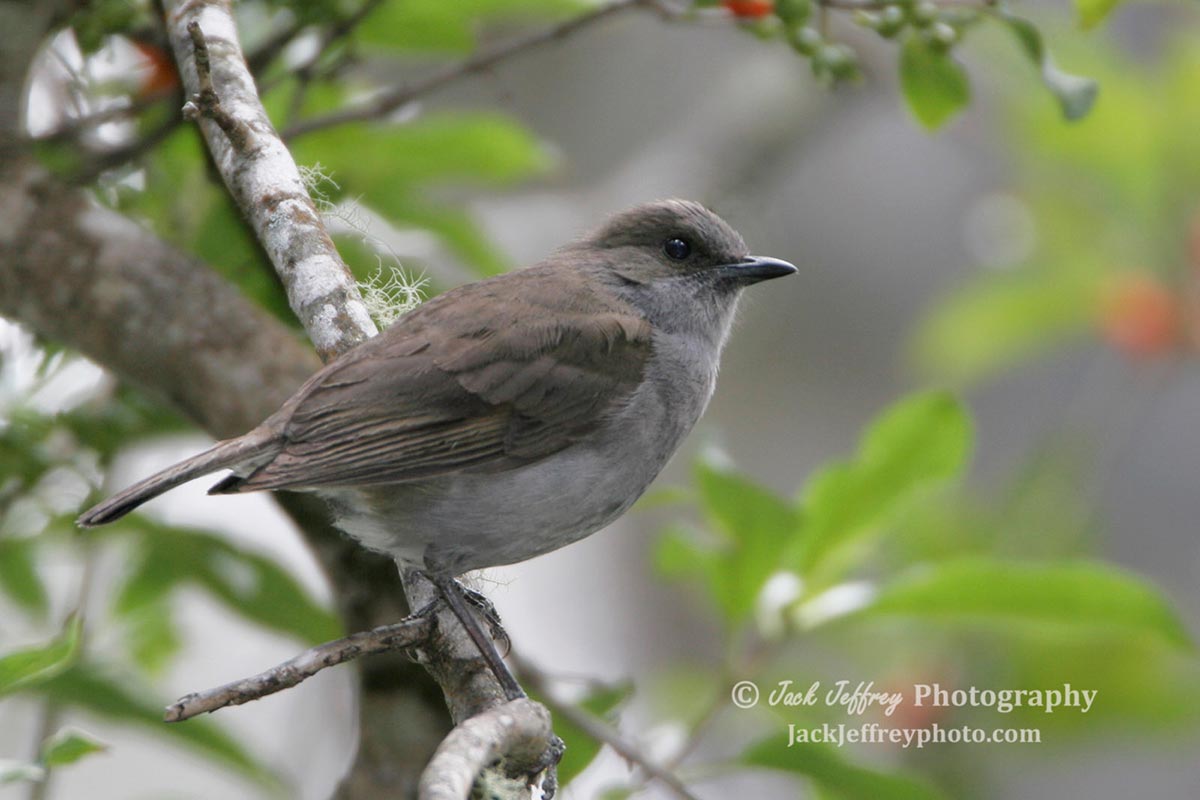
2026 is the Year of the ʻAlawī.
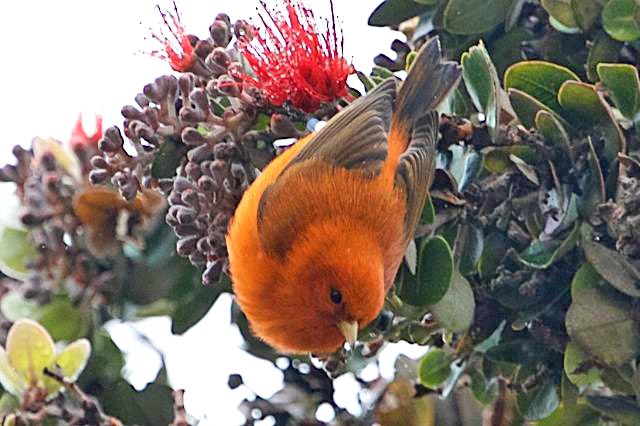
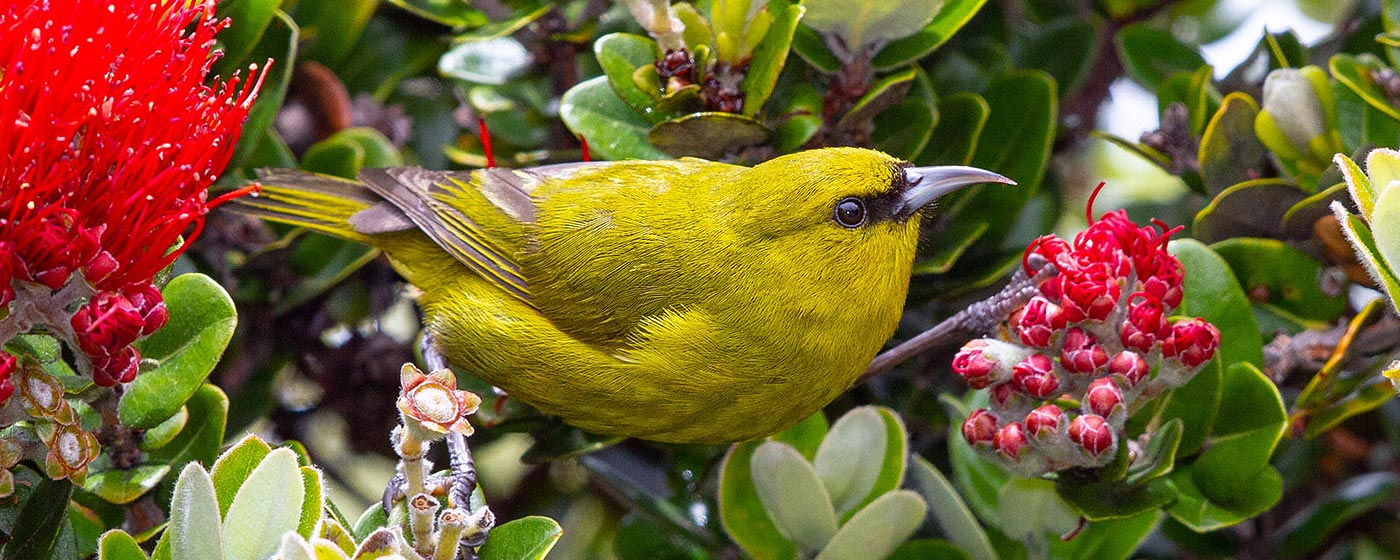
Found only on Hawaiʻi Island, the ʻAlawī is known for its habit of creeping along trunks and branches of koa and ‘ōhi‘a trees probing under bark and into lichens for insects and spiders. ʻAlawī typically build open cup nests, but some are placed in cavities or in bark crevices. Both parents feed their young for approximately one month. ʻAlawī appear to be highly susceptible to avian diseases; they are currently only found in native forests above 4,500 to 5,000 feet which do not have disease-carrying mosquitoes. Disease is the chief threat to ʻAlawī, but the impacts of feral pigs and cattle are also a major source of habitat loss, as is predation by rats and competition with introduced birds.
Hawaiʻi once had 142 endemic bird species but has already lost over 100. Of those remaining, most are endangered or threatened.
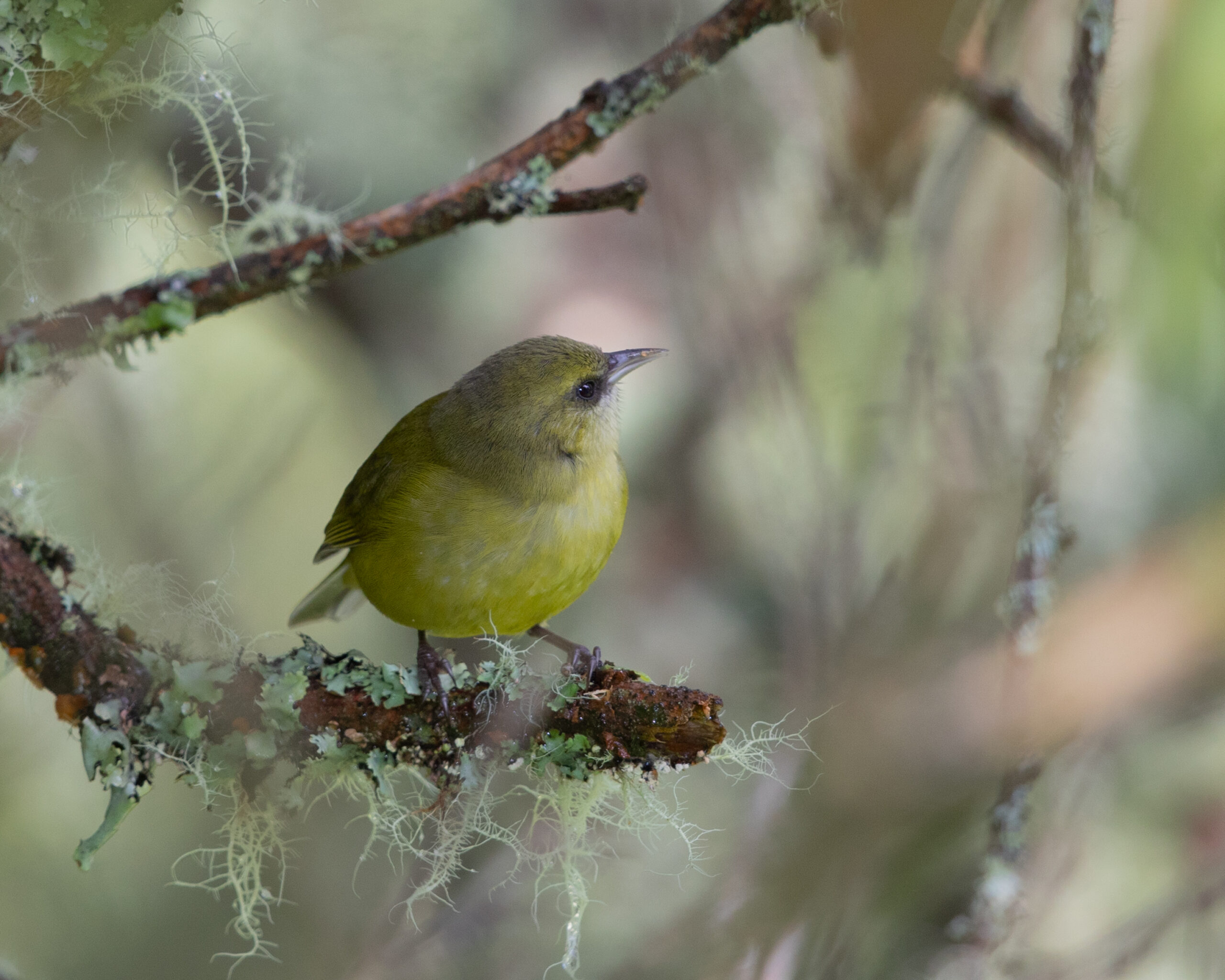
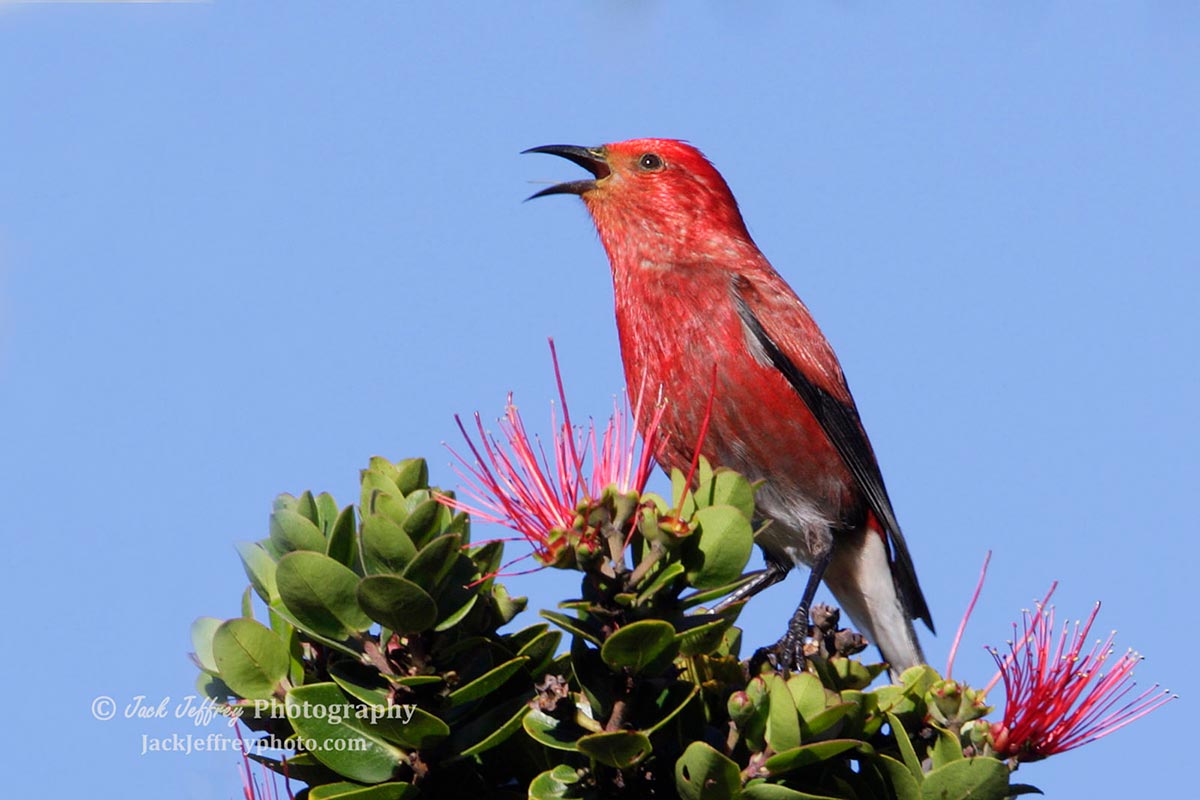
Photo Credit: @JackJeffreyPhoto.com
Endangered Hawaiian birds, including the ʻAlawī, have a future IF we can help build the resources to assist in the critical management that must be done to restore and maintain healthy habitat in the Koa-ʻŌhiʻa forests of the Hakalau Forest National Wildlife Refuge (NWR).
The Friends of Hakalau Forest National Wildlife Refuge established an Endowment fund in 2015 with the goal of raising $3.5 million. With your help over the last 11 years, the Endowment has grown very close to $3,000,000. The Year of the ʻAlawī presents an opportunity for the Friends of Hakalau Forest National Wildlife Refuge Endowment to raise needed funds reach our goal of $3.5 million, after which we can start disbursing funds for urgently needed Refuge projects, including habitat protection and restoration work for the ʻAlawī. Managed by the Hawaii Community Foundation, the Endowment is essential to providing a reliable source of funds for the foreseeable future to support the many necessary conservation activities in the Hakalau Forest National Wildlife Refuge.
Your gift NOW can help us reach this year’s $500,000 goal.
Visit the Refuge Virtually!
Come along with Jake Shimabukuro to visit the Refuge and learn about this magical place.
For more information about Hakalau Forest NWR, visit:
- The official page of the Hakalau Forest National Wildlife Refuge
- A location map of the Hakalau Forest National Wildlife Refuge
- Topographic basemap of the Hakalau Unit
- Topographic basemap of the Kona Unit
- Hakalau Forest NWR Comprehensive Conservation Plan (2010)
- Frequently Asked Questions about Hakalau Forest National Wildlife Refuge (topics include what is special about Hakalau, six endangered honeycreepers, public access, environmental education, challenges facing the Refuge and the Endowment details)
Join
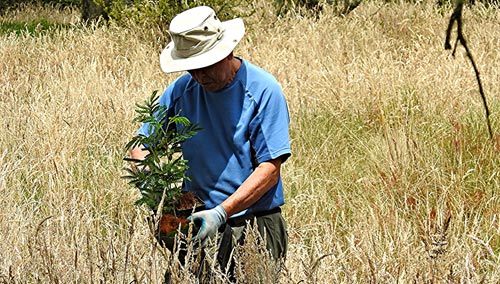
The Friends of Hakalau Forest is a group of hardworking, hands-on committed volunteers and donors who share a passion for supporting the Refuge. When you join the Friends group you become one of nature’s heroes on Hawai’i Island. Feel good about protecting our native forests, and critically endangered birds and plants.
Featured Species
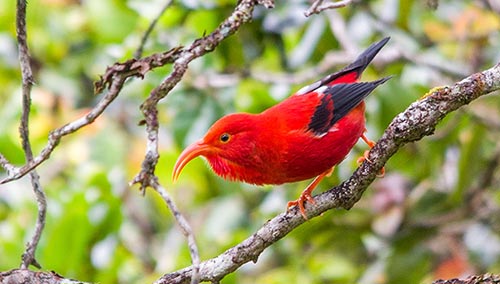
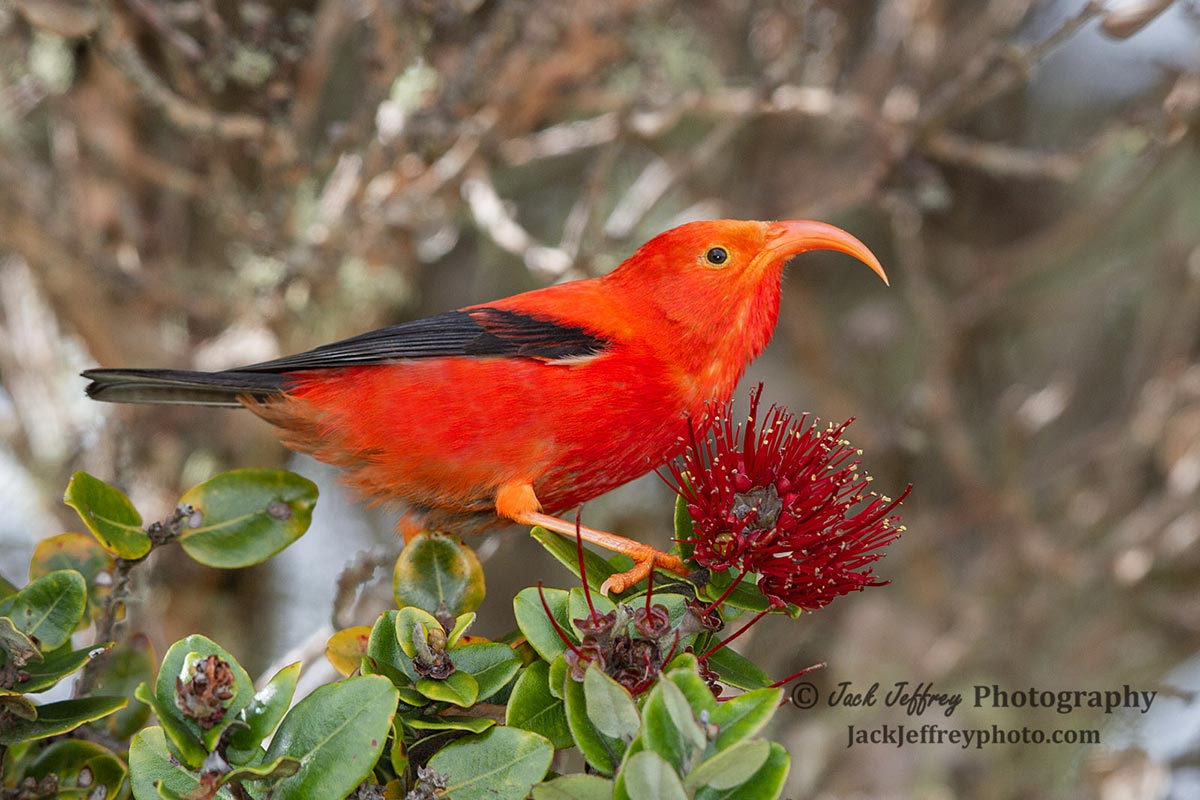
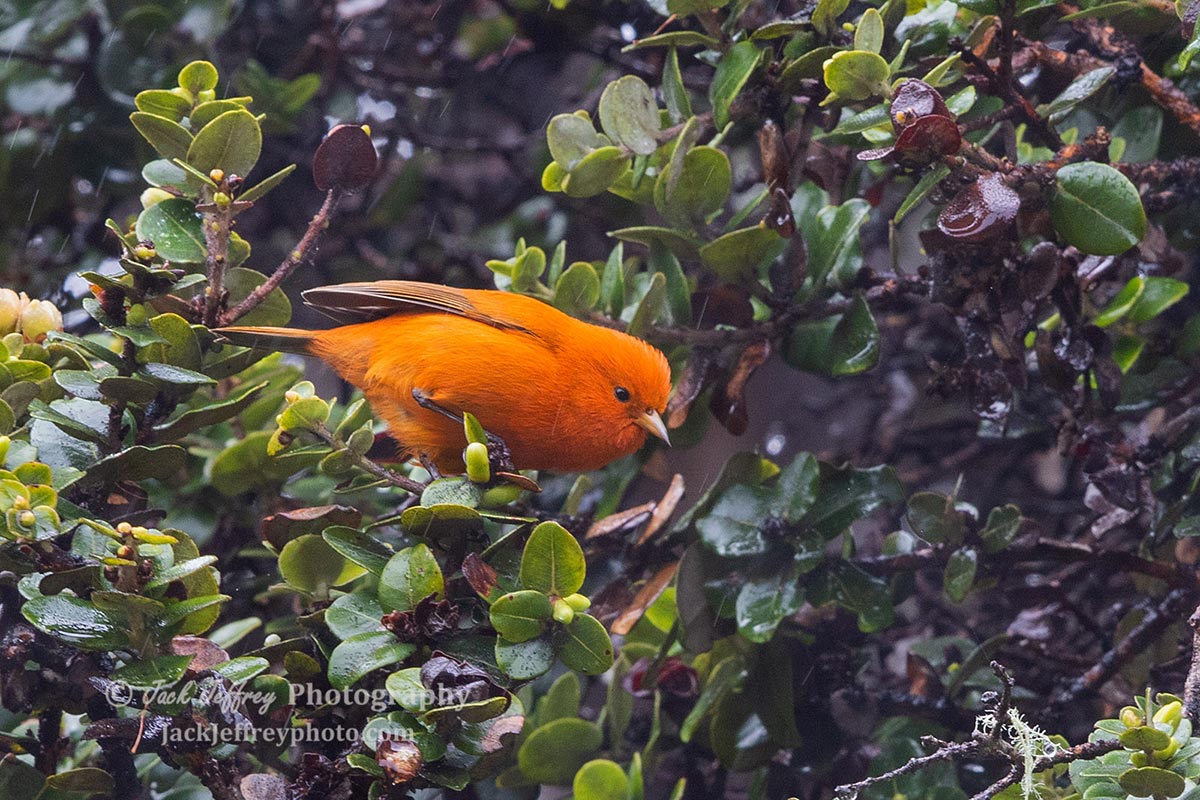
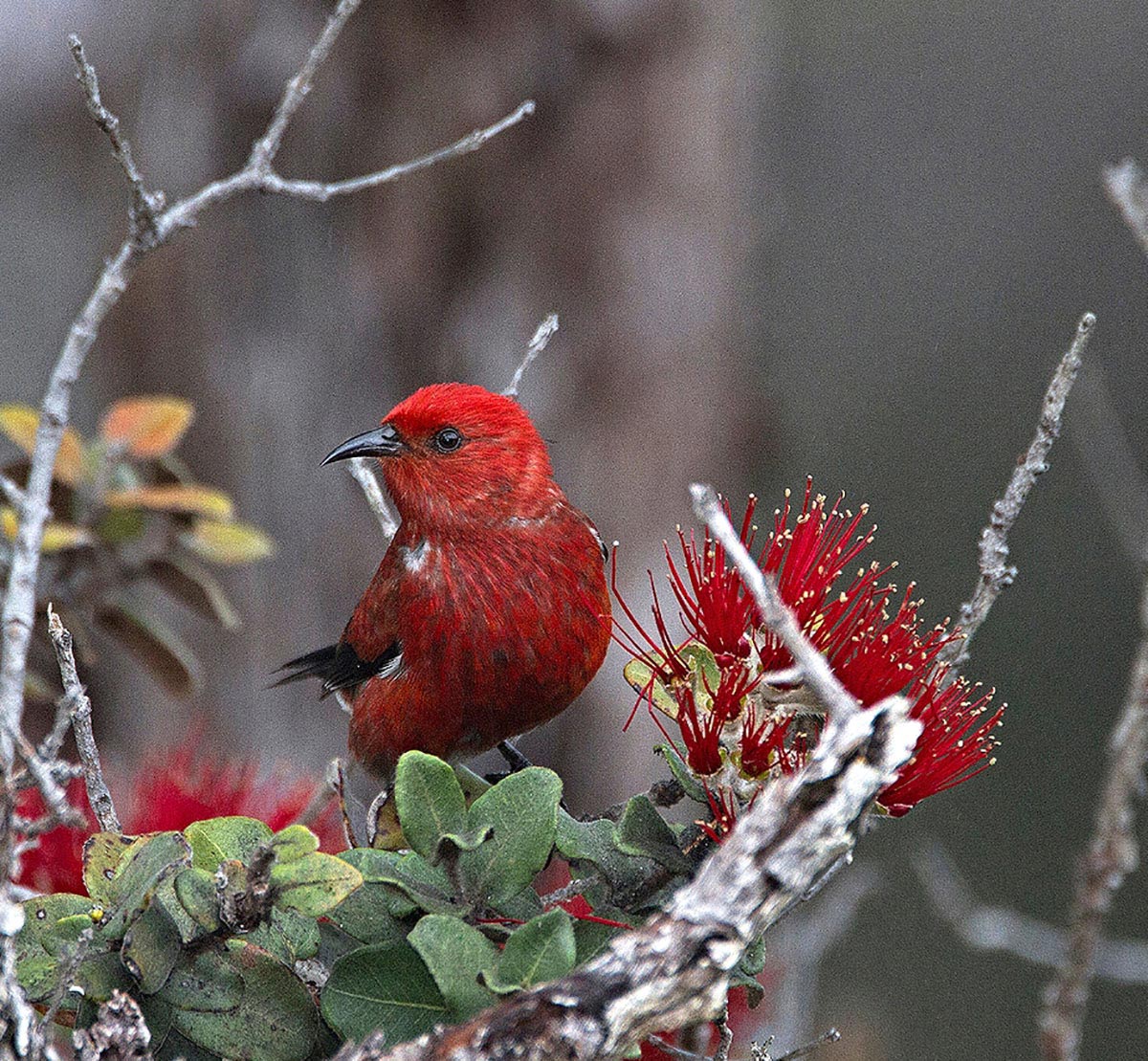
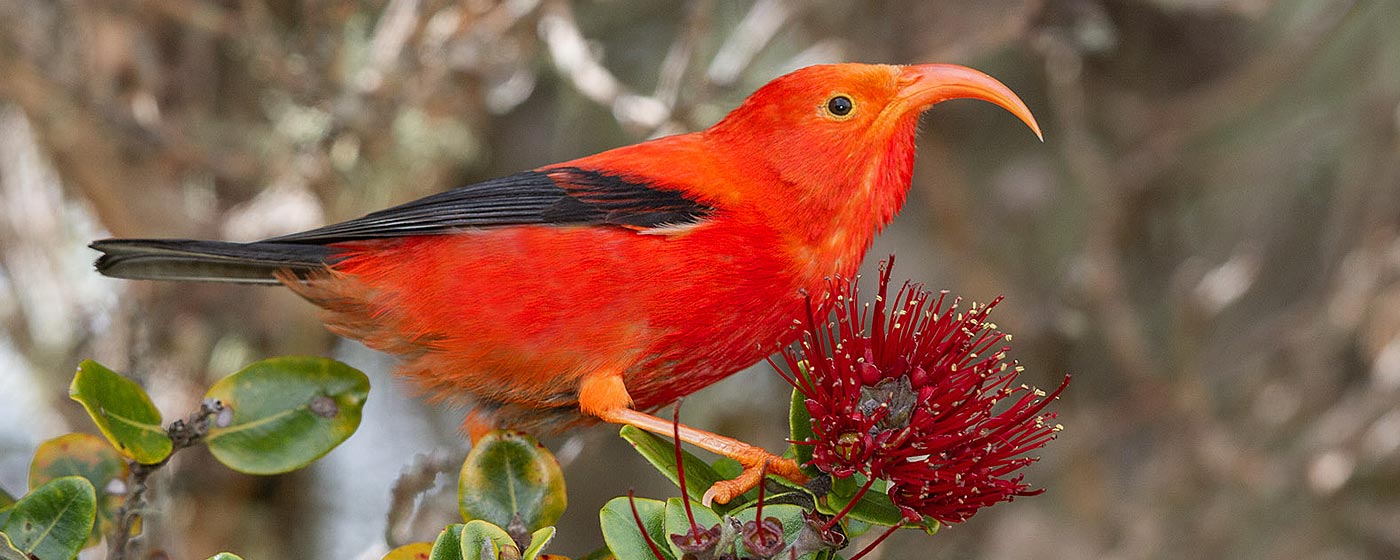
The ‘i‘iwi is the most recognizable bird in the forest, with its scarlet feathers and bright red bill. It is very sensitive to avian malaria, though, and has recently been listed as threatened by the US Fish and Wildlife Service.
©Tim Burr
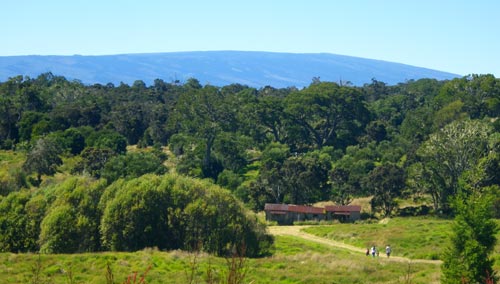
Help establish an endowment to permanently protect the Refuge.
The Friends of Hakalau Forest National Wildlife Refuge sets a goal of $500,000 for the Fall 2026 Endowment Campaign.
Recent Hakalau Forest Research Papers
Quantifying Restoration of Hakalau Forest National Wildlife Refuge, Hawai‘i (1989–2024) Using NDVI and Moisture Indices from Remote Sensing Imagery
Faith A. Nicoll, Elizabeth D. Crook, Peter A. Stine, Thomas Cady, and Michael L. Goulden
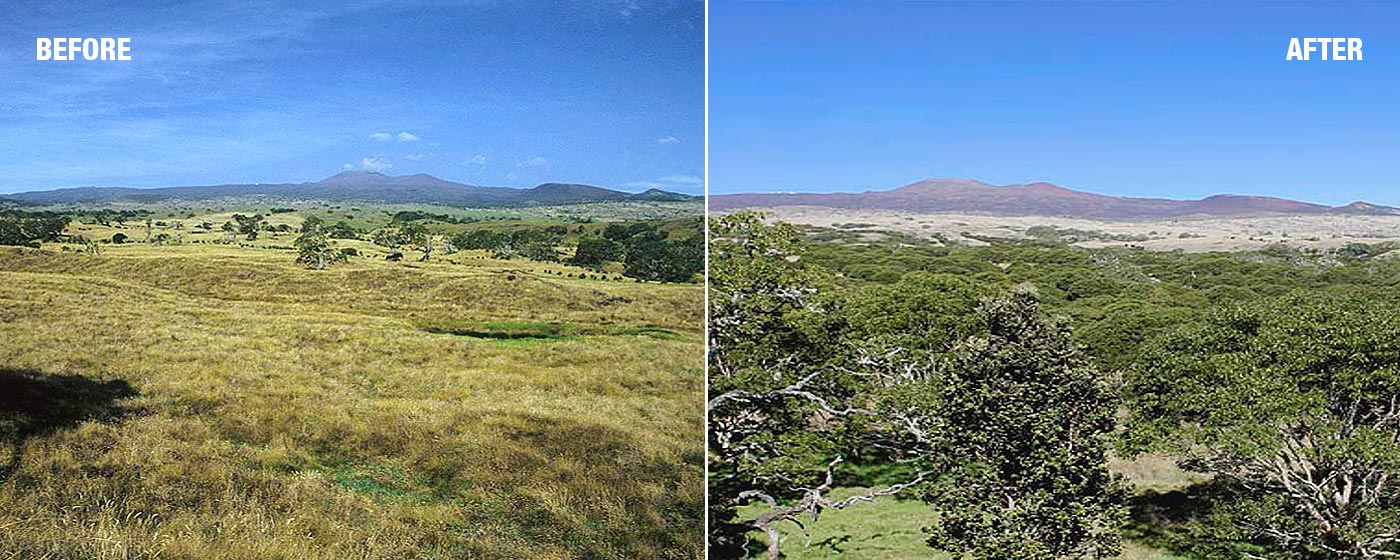
Over the past four decades, reforestation of koa trees (Acacia koa) and other native vegetation in Hakalau Forest National Wildlife Refuge (NWR) on Hawai‘i has restored forest areas and helped preserve habitats for endangered endemic species. However, the extent of koa regrowth was not previously quantified. Using Normalized Difference Vegetation Index (NDVI) and Normalized Difference Moisture Index (NDMI) spatial analyses of Landsat, National Agriculture Imagery Program (NAIP), and Sentinel imagery, we classified tree and non-tree areas to estimate forest recovery between 1989 and 2024. Our results suggest approximately 49% koa tree cover has been reestablished in cleared regions. This quantitative assessment of forest growth provides essential data for the management of the refuge, offers spatial tools to track progress toward full forest restoration, and can guide other tropical forest conservation projects.
Hakalau Forest Activities
Reforestation Project
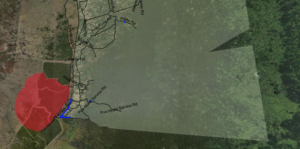
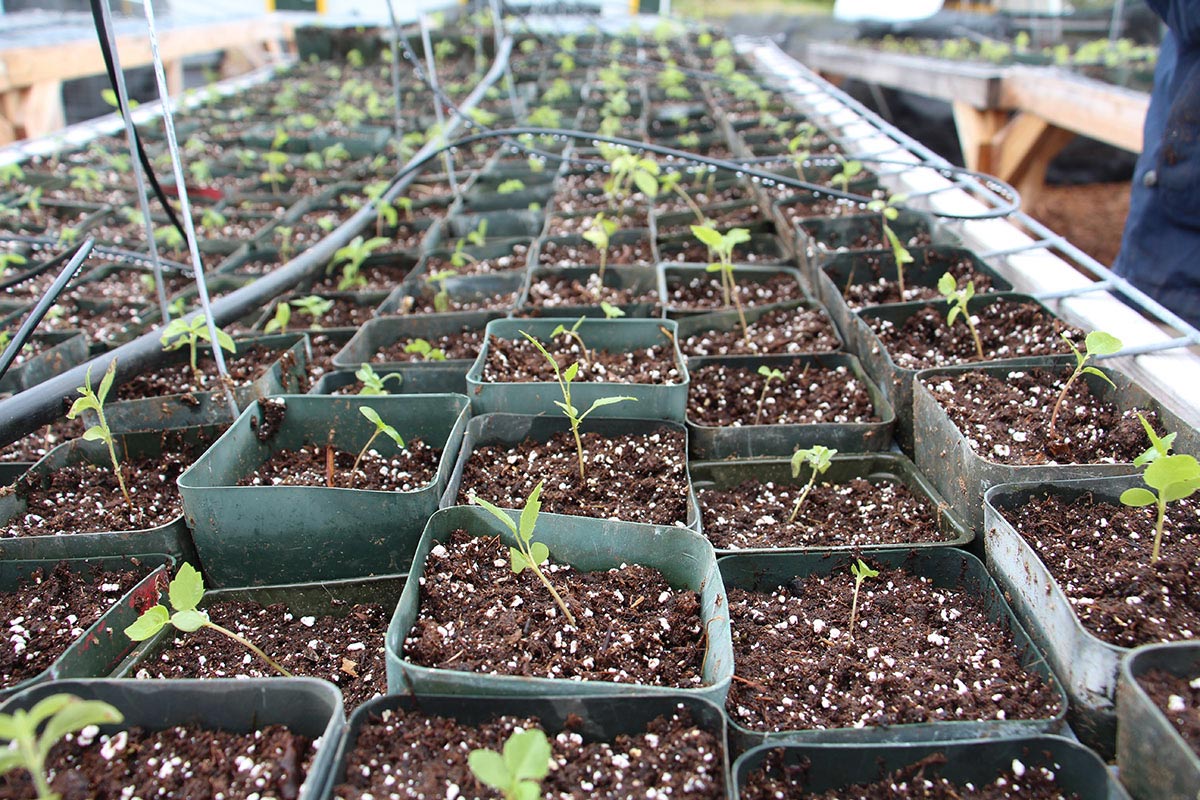
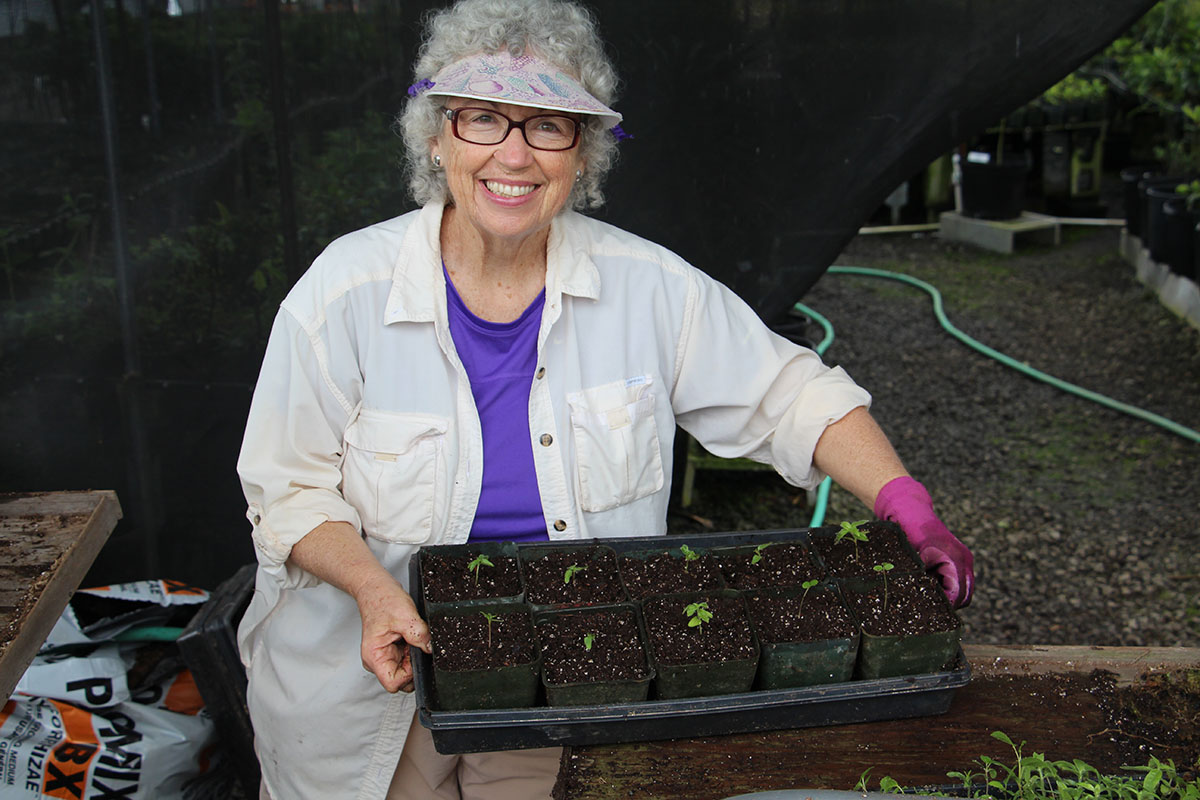
Friends of Hakalau Forest has partnered with the Refuge to accelerate the reforestation of pasturelands on the Refuge. We provided $185,000 earlier this year from the funds we raised with our “Save Our Seedling” campaign that began in early 2025. Once again, the generosity of our membership and many others who care about Hakalau Forest has come through in amazing fashion. The accompanying figure shows where the Refuge staff and our volunteers have been focusing 2026 planting efforts. Each of the individual blue polygons are plots where planting is ongoing along the mauka border of the Refuge. We need this green break to help protect the refuge from fire (note the footprint of the November 2025 Mana Road fire). This is also prime habitat space we are racing to restore.
Waiwai Grant UluManu Mosquito Project
UH Hilo LOHE Lab
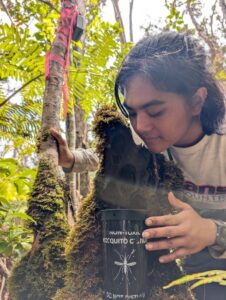
The UluManu Hakalau project was initiated by the UH Hilo LOHE lab in the summer of 2025 to help provide bird and mosquito monitoring data as an early warning system for the decline of birds or the increase of mosquitoes across the refuge. On October 1, 2025, the County of Hawaiʻi awarded the Friends of Hakalau Forest National Wildlife Refuge a grant in the amount of $50,000 to establish an early warning monitoring program for the presence of avian disease-carrying mosquitoes at the refuge. The Friends group then voted to have Dr. Patrick Hart from the Department of Biology at UH Hilo carry out the monitoring program through the UluManu Hakalau Project.
Hakalau Forest Articles
American Birding Association
Searching for Honey: Sweet Spots on the Big Island of Hawai’i
The latest issue of Birding Magazine from the American Birding Association features an article entitled “Sweet Hotspots on the Big Island of Hawaii.” It includes a nice discussion about the Refuge and some wonderful photos.
Gallery
Photos featured in this gallery are by our talented members. For more photos, visit the Friends of Hakalau Forest NWR Group on Flickr.